
Is Your Garage Door Safety System Functioning? Here’s How to Know
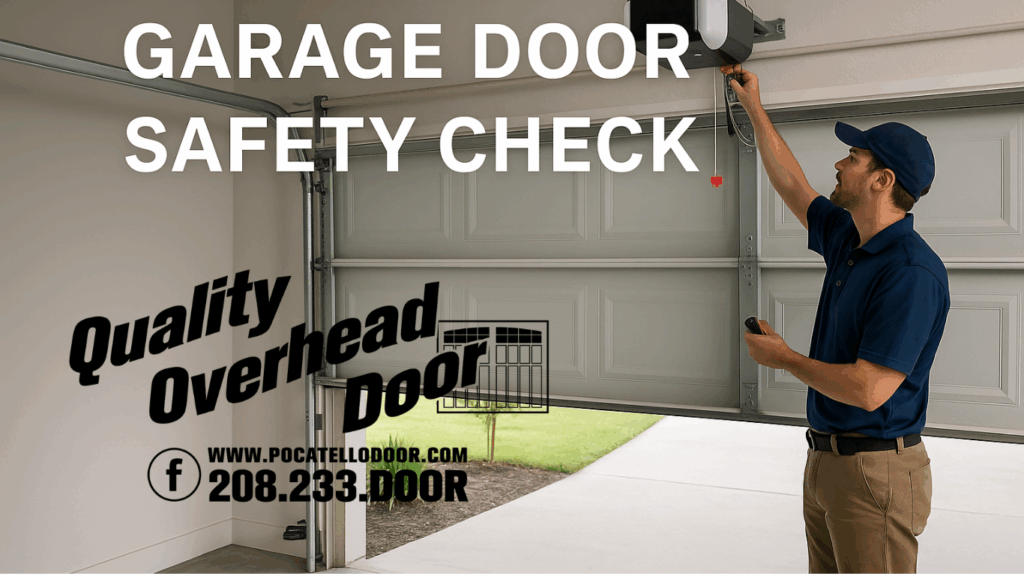
Is Your Garage Door Safety System Functioning? Here’s How to Know
A garage door has moving parts and safety features that need attention. A door opening and closing does not, by itself, confirm that every safety feature is functioning.
Use the owner’s manuals for your specific door and opener for inspection and testing instructions. This overview identifies concerns to discuss with a trained door systems technician.
Follow the Opener’s Safety-Test Instructions
Reversal systems, travel settings, and force settings vary by opener model. Do not increase force to overcome a sticking or damaged door, and do not bypass safety devices.
What Can Go Wrong
Incorrect settings or mechanical problems can affect the door’s response to an obstruction.
Unexpected reversal or a failed safety check calls for inspection.
Model-Specific Safety Check
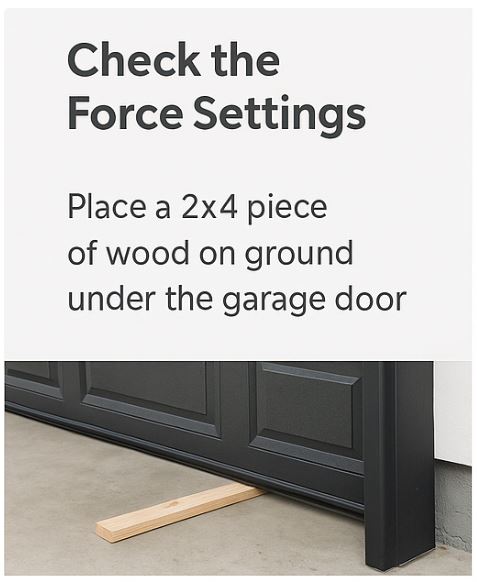
Follow the exact reversal-test procedure and test-object specifications in your opener manual. Keep people, pets, and body parts clear of the opening. If you cannot safely perform the prescribed check, have a technician do it.
If the prescribed check fails:
- Stop using the door and keep the opening clear
- Do not adjust force settings yourself
- Schedule a professional inspection
A failed reversal system can present an injury risk. Arrange service before resuming use.
Inspect the Safety Eyes (Photoelectric Sensors)
Photoelectric sensors detect interruptions to a beam near the floor. Their condition, alignment, and installation matter. Consult the manual for the meaning of indicator lights and any permitted cleaning steps.
Signs of an Issue
- The door only closes when holding the wall button
- The opener lights flash when closing
- One sensor is dark or blinking
- Snow, debris, or dirt is blocking the lens
Model-Specific Safety Check
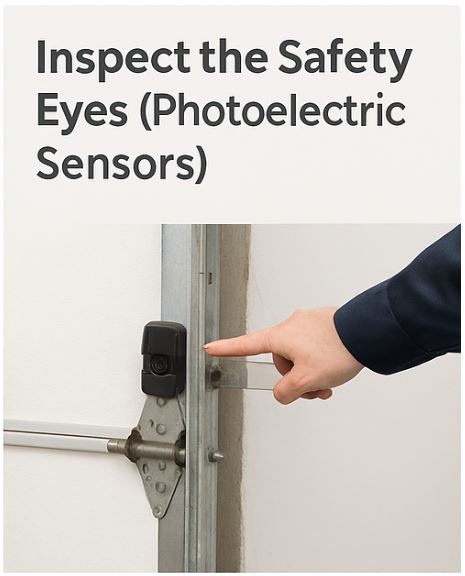
Do not use your foot, hand, or another body part to test a moving door. Use only the sensor-test procedure described in your opener manual, or have a technician perform it.
If the door does not respond as the manual specifies, stop using it and arrange service. Do not bypass the sensors or hold a control to override a fault.
Check for Misalignment or Damage
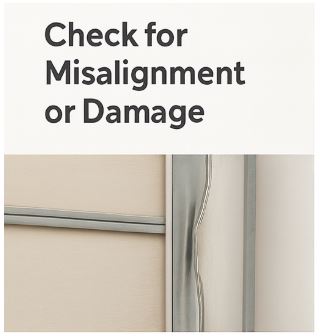
Even minor track or hardware issues can disrupt safety systems. Look for:
- Bent tracks
- Loose brackets
- Damaged or exposed wiring
- Sensors pointing slightly off-center
- Dirt or spider webs covering the lenses
Do not loosen tracks, brackets, cables, or spring hardware to correct these issues yourself. Keep clear of damaged components and request an inspection.
Listen for Unusual Noises
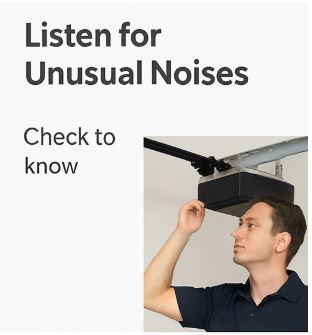
Grinding, squeaking, straining, or clicking sounds may indicate:
- Opener or door-system strain
- Failing opener components
- Worn rollers or springs
- Other door or opener faults
Your door should operate smoothly. If it sounds wrong, you could have a problem.
Schedule a Professional Tune-Up
A professional inspection can include:
- Review of opener settings and prescribed safety tests
- Checks of sensor condition and alignment
- Inspection of visible spring, cable, and roller condition
- Recommendations for adjustments or repairs
Inspection findings apply to the system’s observed condition and do not guarantee that a future fault will not occur.
Final Thoughts
Keep the door opening clear and follow the maintenance and safety instructions supplied with your equipment. Changes in movement, sound, or safety-test results deserve attention.
Contact Quality Overhead Door Inc. to discuss a safety-system inspection if operation is abnormal or a prescribed check fails.
If your door didn’t pass every test — or you’re not fully confident in your safety systems — we’re here to help.