
Signs Your Garage Door Is No Longer Properly Balanced
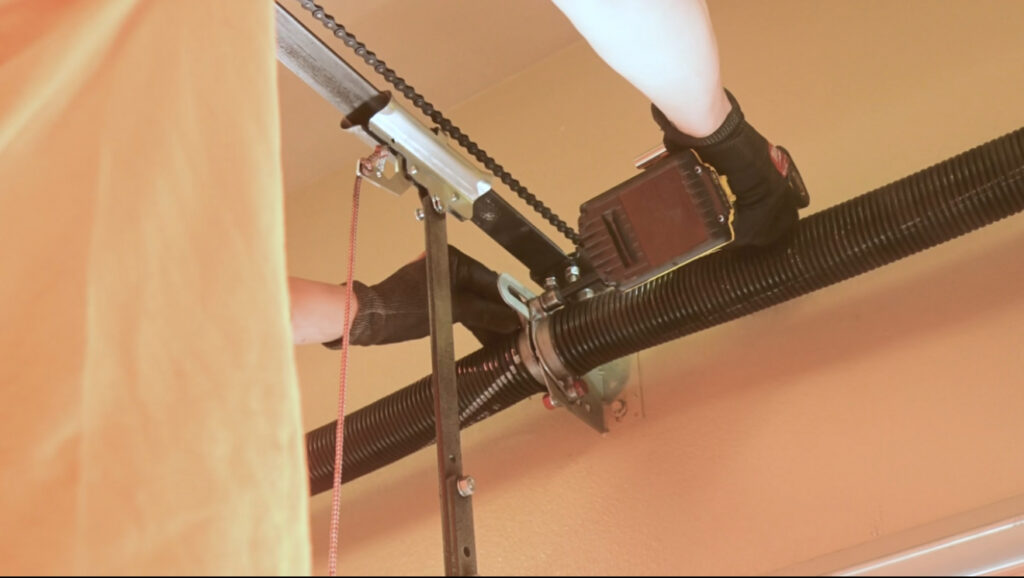
Garage door springs help counterbalance the door’s weight. A balance problem can affect operation and place strain on the opener and other hardware. Similar symptoms can have different causes, so an inspection is needed to determine the appropriate work.
Watch for Changes in Operation
Uneven movement, a crooked door, unusual vibration, straining sounds, or a door that struggles to move can indicate a problem. If you have already noticed unusual heaviness during permitted manual operation, do not repeat the test to confirm it.
Do Not Perform a Release Test on a Suspect Door
If you suspect a broken spring or balance problem, stop using the door and keep people clear. Do not pull the emergency release, lift the door halfway, or let go of it to test whether it stays in place. A damaged or poorly balanced door can fall. Have a trained door systems technician inspect it.
Leave Spring and Cable Work to a Technician
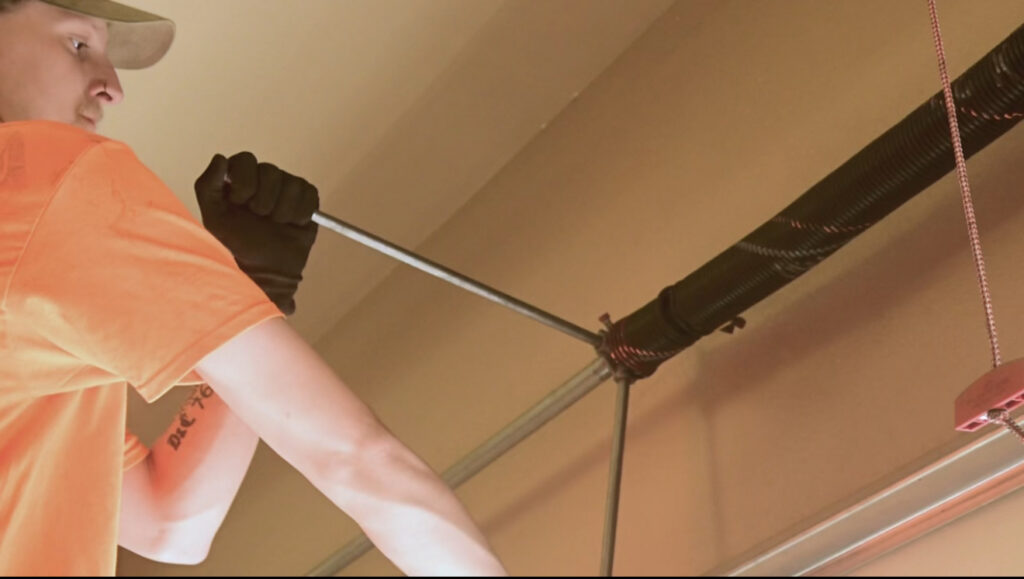
Visible spring damage, loose cables, corrosion, or distorted hardware should be inspected. Do not touch or adjust springs, cables, drums, or bottom brackets. Do not increase opener force or bypass a safety device to keep the door moving.
What an Inspection Can Address
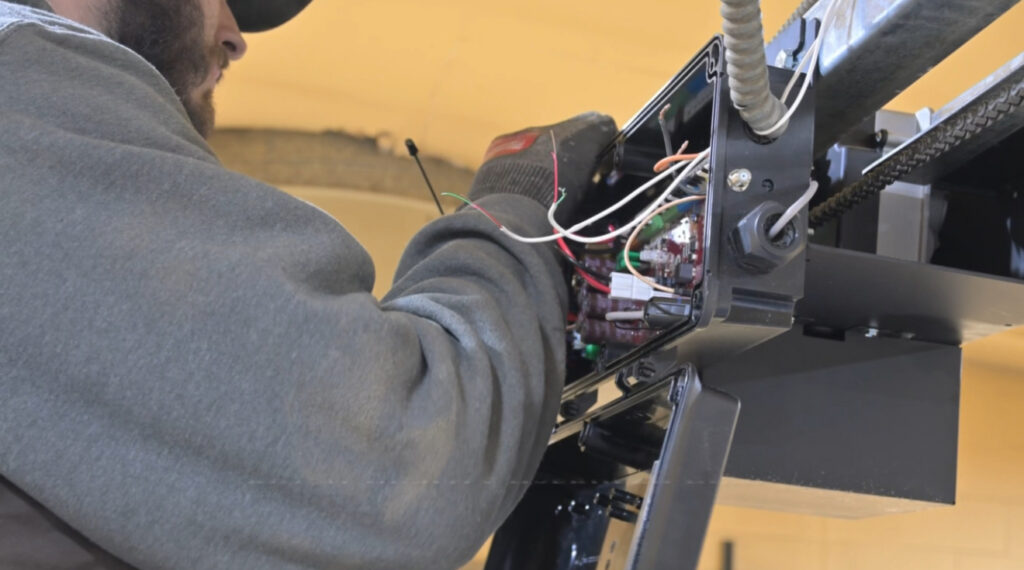
A technician can evaluate the door’s condition, balance, hardware, and applicable safety systems, then explain the recommended repairs or adjustments. Follow the owner’s manuals for your specific equipment. An inspection does not guarantee that future problems will not occur.
Request a Garage Door Inspection
Quality Overhead Door Inc. inspects and services garage door systems in Southeast Idaho. Contact our team to discuss the symptoms you have observed and arrange service.